
Londons Music Venues
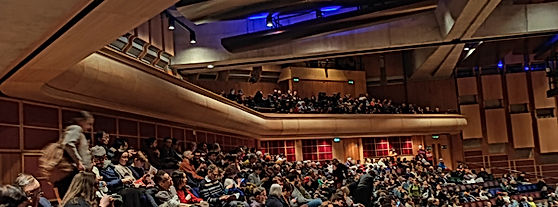
Barbican Centre
Built:
Seats:
Website:
1982
Barbican Hall 1943 / Theatre 1156
The Barbican Centre was built on post‑war bomb‑damaged land and opened in 1982 as the flagship of the City of London’s Barbican Estate. Designed by Chamberlin, Powell & Bon, it became Europe’s largest multi‑arts centre, housing concert halls, theatres, cinemas and galleries. It was inaugurated by Queen Elizabeth II and is a landmark of British Brutalism.
Serves:
Classical music but also lots of other musica as well as having its large theatre and several cinemas


Wigmore Hall

Built:
Seats:
Website:
1901
552
Built in 1901 as Bechstein Hall by the German piano maker C. Bechstein, the venue was designed by architect Thomas Collcutt with a marble interior and a distinctive cupola mural. Seized as enemy property in WWI, it reopened as Wigmore Hall and became London’s leading chamber‑music venue, famed for its acoustics.
Serves:
Smaller meetings of top quality artists. It specialises in performances of chamber music, early music, vocal music and song recitals, and hosts over five hundred concerts each year, as well as a weekly concert broadcast on BBC Radio 3.


Royal Festival Hall

Built:
Seats:
Website:
1951
2700–2900
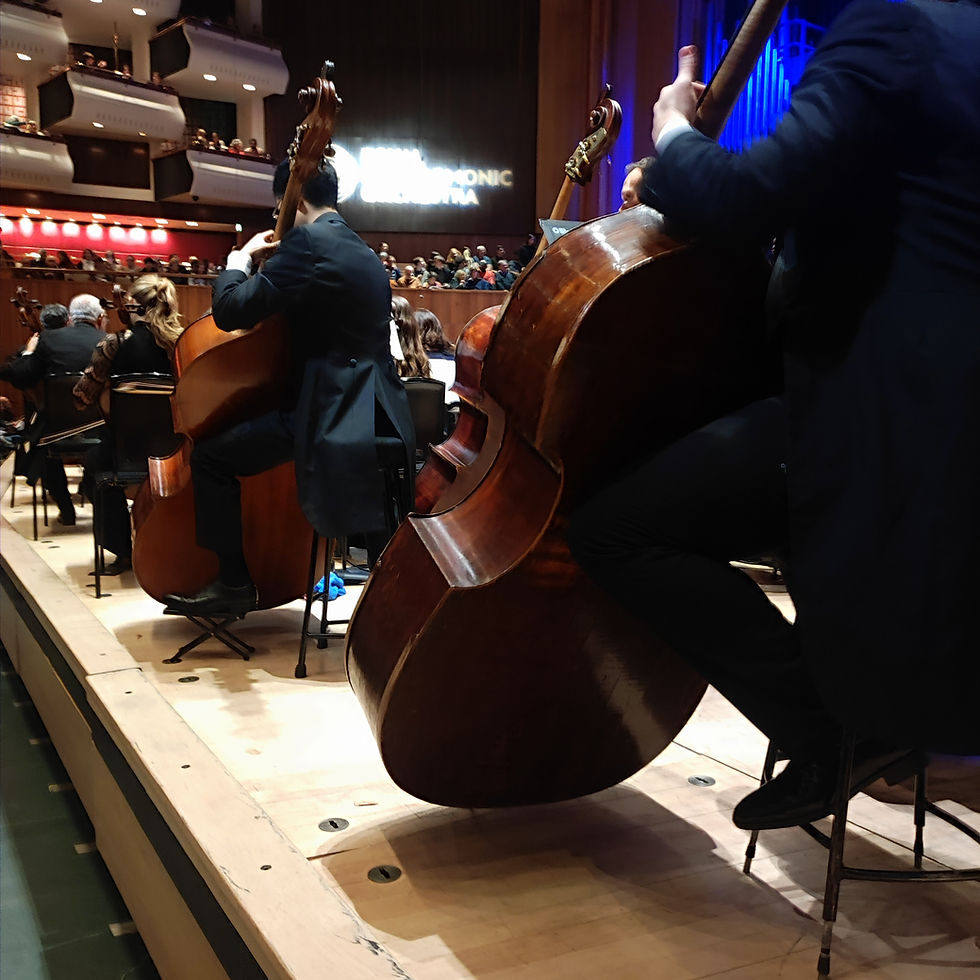
The Royal Festival Hall was built for the 1951 Festival of Britain as a modernist, democratic concert hall on the South Bank. Designed by Robert Matthew and Leslie Martin, it became the first post‑war building to receive Grade I listing. It has hosted orchestral concerts, festivals and major cultural events for decades.
Serves:
Wide range of cultural events


Queen Elizabeth Hall

Built:
Seats:
Website:
1967
916
Opened in 1967 as part of the Southbank Centre, the Queen Elizabeth Hall is a Brutalist landmark designed by Hubert Bennett and Jack Whittle. It was built alongside the Purcell Room and became a home for contemporary music, dance and experimental performance. It reopened in 2018 after major refurbishment.
Serves:
Concerts
Royal Albert Hall

Built:
Seats:
Website:
1871
5272
Opened in 1871 by Queen Victoria, the Royal Albert Hall was conceived as part of Prince Albert’s vision for a cultural district in South Kensington. Designed by Francis Fowke and Henry Scott, its vast domed auditorium became home to the Proms and countless major concerts. It remains one of the world’s iconic halls.
Serves:
Lots of different performances and styles


Roundhouse Camden
Built:
Seats:
Website:
1846–47 (original), 1964 (arts use)
1700 seated / 3300 standing
Built in 1846–47 as a railway engine shed with a central turntable, the Roundhouse later became a warehouse before falling into disuse. Revived in the 1960s as a radical arts venue, it hosted experimental theatre and legendary rock concerts. A major renovation in 2004–06 restored it as a flexible performance space.
Serves:
Pop
Cadogan Hall
Built:
Seats:
Website:
1907 (church), 2004 (concert hall)
953
Originally built in 1907 as a Christian Science church in Byzantine Revival style, the building was acquired by Cadogan Estate in 2000 and converted into a concert hall. It reopened in 2004 and became home to the Royal Philharmonic Orchestra, known for its warm acoustics and intimate scale.
Serves:
Choral and classical music
Smith Square (St John’s Smith Square)

Built:
Seats:
Website:
1728
800
Completed in 1728 as a Baroque church by Thomas Archer, St John’s Smith Square survived firebombing in WWII and was restored as a concert hall in the 1960s–70s. Now known as Smith Square Hall, it is one of London’s most atmospheric Baroque venues for classical performance.
Serves:
Classical concerts


Milton Court (Guildhall School)
Built:
Seats:
Website:
2013
Concert Hall 609
The original 1960s Milton Court was demolished and replaced by a new Guildhall School complex completed in 2013. The building includes a 609‑seat concert hall, theatres and studios, designed to world‑class acoustic standards as part of the Barbican/Guildhall cultural quarter.
Serves:
Kings Place
Built:
Seats:
Website:
2008
Hall One 415 / Hall Two 200
Opened in 2008 near King’s Cross, Kings Place was designed by Dixon Jones as a combined arts venue and office building. Its timber‑lined Hall One is renowned for its acoustics. The building houses music, spoken‑word, festivals and visual arts, becoming a major contemporary cultural hub.
Serves:
London Coliseum

Built:
Seats:
Website:
1904
2359
Designed by Frank Matcham and opened in 1904 as London’s largest and most lavish variety theatre, the Coliseum featured pioneering stage technology including a revolving stage. After periods as a cinema and musical theatre house, it became home to English National Opera in 1968.
Serves:


Sadler’s Wells
Built:
Seats:
Website:
1683 (origins), 1998 (current building)
1500
The site began as a 1683 “musick house” built around a mineral spring. Over centuries it evolved through pleasure garden, theatre and dance hall incarnations. The current sixth theatre opened in 1998 as a state‑of‑the‑art international dance house, now a global centre for contemporary choreography.
Serves:
Peacock Theatre
Built:
Seats:
Website:
1960 (current building)
999
Built in 1960 as the Royalty Theatre on the site of the former Stoll Theatre, the venue was used for cinema, television and theatre before becoming part of the LSE campus. Since the 1990s it has served as Sadler’s Wells’ West End base for dance and family productions.
Serves:
Royal Opera House

Built:
Seats:
Website:
1858 (current building)
2256
The third theatre on the Covent Garden site, the present Royal Opera House was built in 1858 after earlier theatres burned down. It became home to The Royal Ballet and The Royal Opera after WWII and underwent major modernisation in the 1990s–2000s. It remains the UK’s leading opera and ballet house.
Serves:


