

Piano Sonatas
The piano sonata evolved from the Baroque keyboard tradition into one of the most personal and versatile forms of Classical music. Haydn and Mozart established its structure, balancing clarity with expressive charm. Beethoven transformed the sonata into a profound medium, using it to explore drama, lyricism, and innovation, from the Moonlight to the Hammerklavier. Romantic composers such as Schubert and Chopin infused sonatas with poetic intimacy, while Liszt expanded their scale and technical demands. In the twentieth century, Prokofiev and Scriabin introduced modernist harmonies and bold rhythms, keeping the form alive. Today, piano sonatas remain a cornerstone of solo repertoire, studied by students and performed by virtuosos worldwide. They showcase the piano’s expressive range, from delicate lyricism to thunderous power, and continue to serve as a canvas for composers to explore new ideas. The sonata endures as a timeless dialogue between tradition and innovation.

Bach JS
1720

English Suite No. 2 in A minor
The BWV 806 to 811, are 6 Suites part of 19 keyboard works written for the harpsichord or clavier. They are his earliest works written around 1713. The English Suites are less English Baroque than the French suites were FrenchBaroque
Heading 6
Heading 6
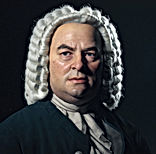


Chopin

Sonata No. 3 in B minor, Op. 58
http://A grand and expressive work, featuring a lyrical first movement, a lively scherzo, a tender largo, and a virtuosic finale, reflecting Chopin's maturity and emotional depth.
Heading 6
Heading 6
I'm a paragraph. Click here to add your own text and edit me. It's easy.